
Verse of the day: 1 Chronicles 16:11
Ready to get your garden started, but maybe have no idea what to grow? Here I will list some fabulous options for you to choose from that any gardener can grow, beginner or experienced. There are many other options you could do. One thing I love about the garden is growing things I will eat and varieties you most likely won’t find in the average grocery store. Different varieties of plants can offer a different color and a different/complex taste. All links to varieties are NOT affiliate links in this post, I just want to be able to make it easier to find. Now is the time to start seeds for a lot of people around the country so let’s jump in!
Tomatoes
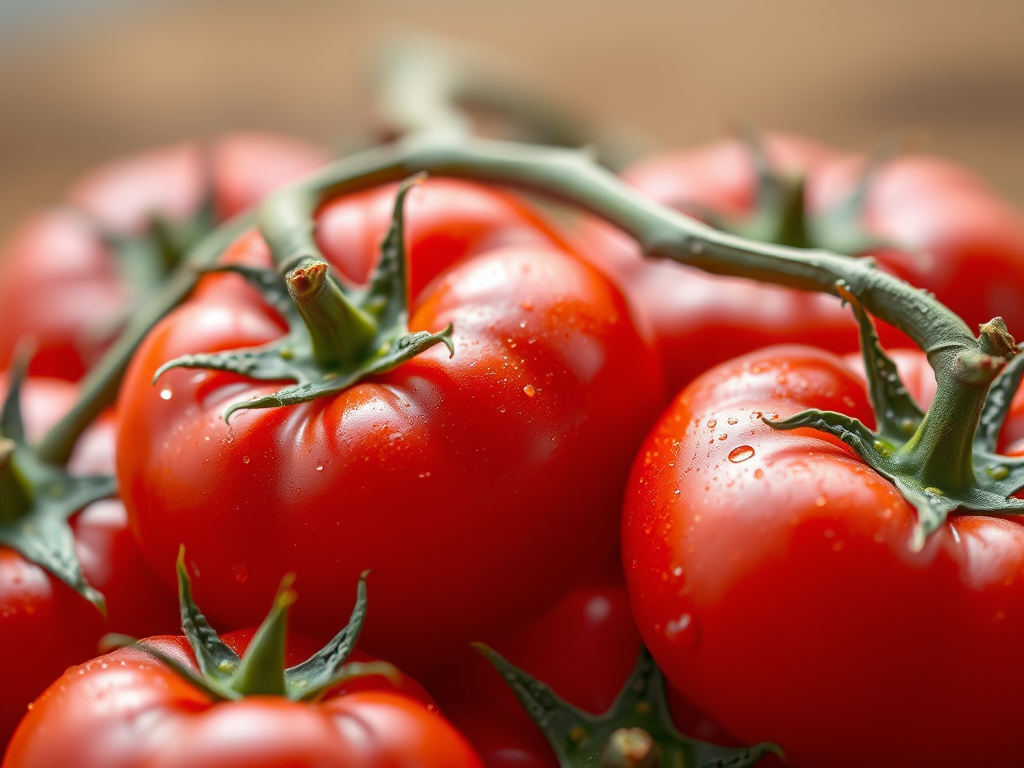
Tomatoes come in so many varieties. Sometimes it’s a little overwhelming to pick seeds. When picking what types of tomatoes, what are you looking for? You have cherry, slicers, and paste. All of these tomatoes can be used however you’d like. If making sauce I would recommend paste tomatoes. This will cut down on your overall cook time, but if cook time doesn’t bother you, you could use any of the three options. The other thing to think about, you have determinate and indeterminate varieties. Determinate varieties are generally a bushier plant, grow generally between 2-4 feet tall, and put all of their fruit on at once over a 4-6 week period. This could be better for someone who does canning, as it would be much easier to plan. Indeterminate varieties can grow 6-10 feet tall and will require trellising and produce fruit throughout the whole season.
Cherry tomatoes a small round (some are pear shaped) tomato, great for snacking or throwing a few in a salad. Cherry tomatoes are typically ready faster for harvesting. One of my favorite cherry tomato varieties is the Champagne Bubbles sold by MI Gardener. The Champagne Bubbles variety is low acid, so it is a very sweet tomato. Another great option is the Red Pear Tomato sold by MI Gardener. It has a classic red tomato flavor.
Slicer tomatoes are big tomatoes that are great to cut into wedges, sliced for a sandwich, or thrown into a salad. Nothing beats a tomato sandwich in the summer! Slicer tomatoes come in all shapes and sizes. They are much bigger than a cherry tomato! Slicer tomatoes can take a little longer to harvest for the bigger varieties (something to always look for). I have a few favorite options for slicer tomatoes, Pineapple, Dr. Wyche’s, and Sart Roloise. Baker Creek Heirloom Seeds carries these options. The Pineapple tomato is my absolute favorite variety!
Paste tomatoes typically do not as much gel and seeds in them, making them ideal for homemade sauce. Keep in mind that paste and slicer tomatoes take longer to grow compared to cherry tomatoes. Typically, I do not grow many paste tomatoes; however, they are something I want more of in my garden. One of my favorite varieties is Pink Oxheart sold by MI Gardener. A new small paste tomato for my garden this year is Plumsicle also sold by MI Gardener.
Cucumbers
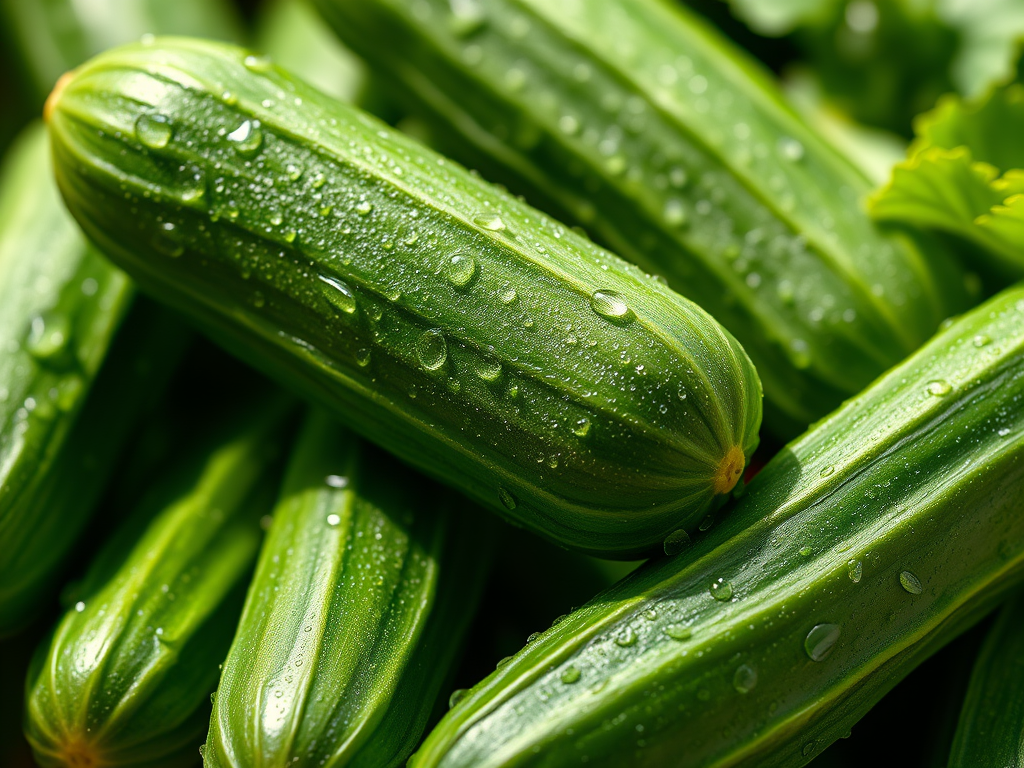
The amount of cucumber varieties is endless! Cucumbers are great as a snack, pickling, and salads. They are SUPER easy to grow and can be very prolific. Different cucumbers are good for different things, there are slicing, pickling, English, and specialty types. Keep in mind when growing these cucumbers, even consistent watering will help ensure they won’t become bitter.
Slicing cucumbers are great for salads and sandwiches. The skin typically is smooth, waxy, and usually peeling before eating. Seeds inside of a slicing cucumber also are larger. My all-time favorite slicing cucumber is the Silver Slicer. The skin is thinner, which is nice for people like me who are picky. The best thing about the Silve Slicer is that the skin is much thinner AND it is disease resistant.
Pickling cucumbers are smaller than slicing cucumbers and have bumpy skin. These are best for making pickles and fresh relish. A very popular variety is the Boston Pickling; it is a classic heirloom dating back to the 1880s.
English Cucumbers are long and slender with delicate skin. They can be easier to digest as they contain low levels of cucurbitacin. Another bright side with containing low levels of cucurbitacin, it reduces bitterness. Popular varieties include Diva, Sweet Success, and Telegraph.
Specialty Cucumbers are often very distinct and can have very specific flavors. They can be used for pickling, fresh eating, and salads. I think seeing specialty cucumbers in a picture doesn’t compare to seeing them in person. There are a few different types of specialty cucumbers. Some of these are: Armenian Yard Long, Mexican Sour Gherkin, and Lemon Cukes. Fun fact, the Armenian Yard Long and the Mexican Sour Gherkins are technically melons biologically.
Green Beans & Wax Beans
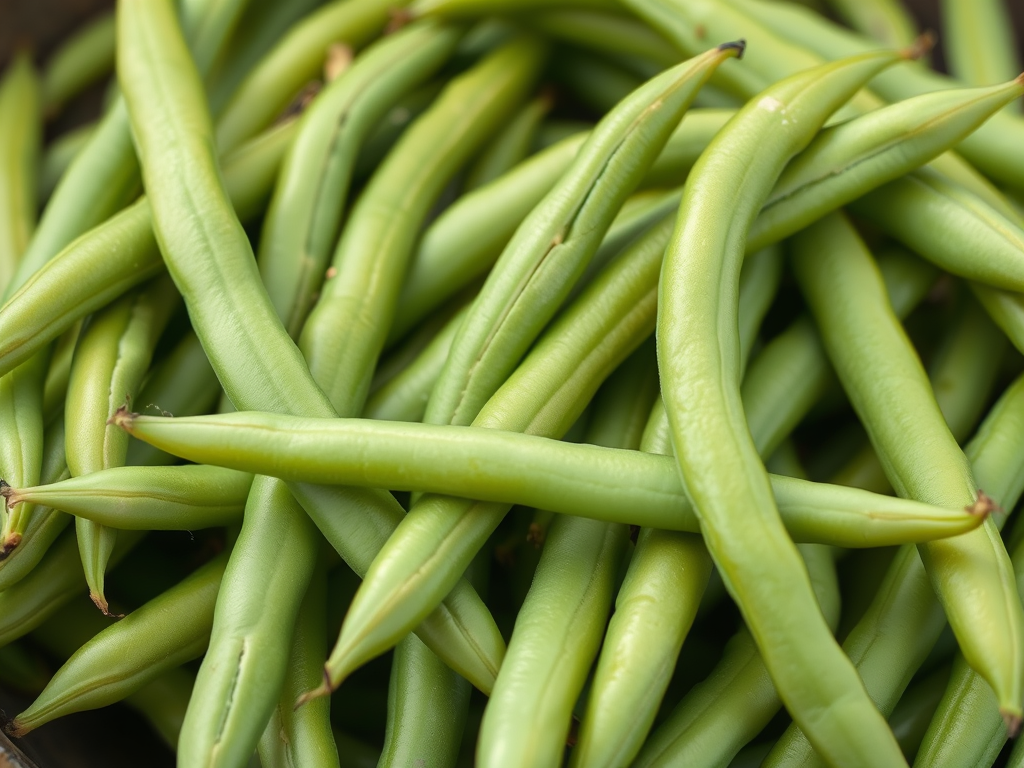
Green beans and wax beans are a classic in a summer garden and grow quickly and abundantly. They are great cooked or eaten fresh in a salad. Both of these come in bush and pole varieties. Bush beans do NOT require a trellis, whereas pole beans require a trellis. I personally prefer to grow bush varieties, but that decision is entirely up to you and what you’re able to do with the space you have.
Green beans generally have a stronger flavor compared to wax beans. A very popular pole variety of green beans is the Kentucky Blue Pole. Another popular brand is the Jade Bush Bean. I have only grown the Jade Bush Bean out of these two options, and it did fairly well.
Wax beans have a mind flavor and can be favorable to anyone who doesn’t like the taste of green beans or just want a milder flavor in a dish. My favorite wax bean is the Dragon Tongue variety. It is a bush bean and looks super cool and different! A pole variety is the Kentucky Wonder Pole.
Peppers
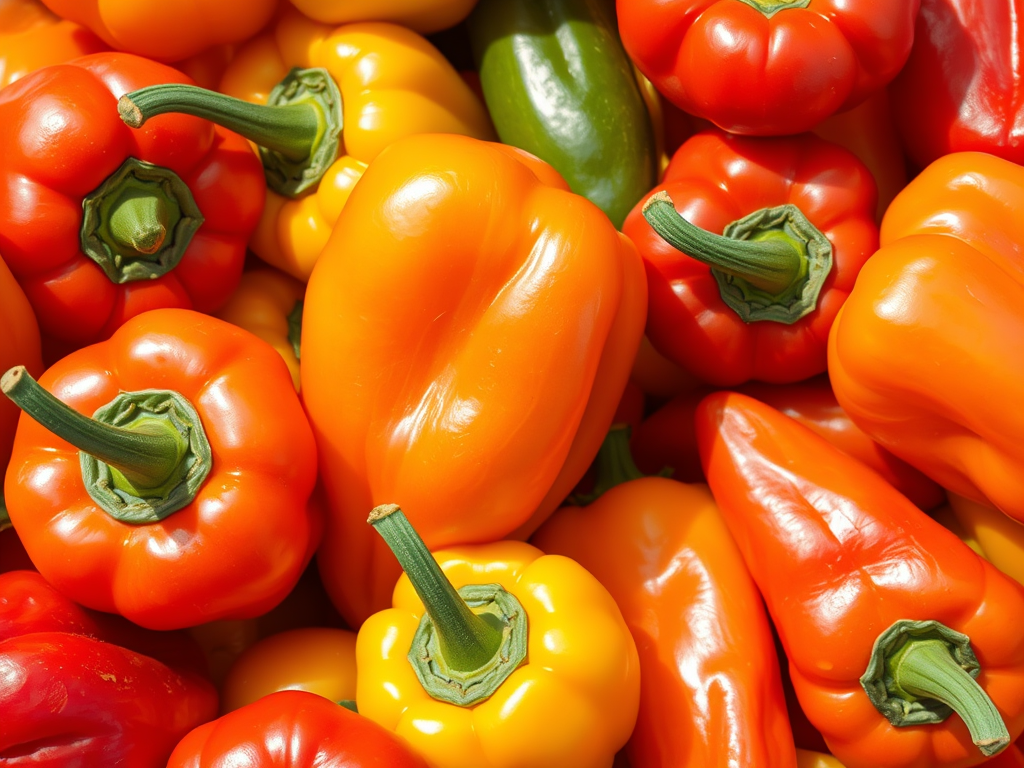
Peppers can be easy for anyone to grow. The most important thing to remember is peppers like hotter weather and love being in the sun for the most part. You can grow sweet or hot varieties. It all comes down to what do you want to use them for? If you want to know how hot or sweet a pepper is, you can look it up on the Scoville Heat Unit (SHU) scale.
Common sweet peppers are Purple Beauty Bell Pepper, California Wonder Bell Pepper, and Sweet Banana Pepper. None of these peppers have any heat to them at all. Perfect for garden snacking (especially for small children), salads, pizza, and general cooking.
Hot peppers vary in heat tremendously. The SHU unit goes from 0-16,000,000. The hottest pepper I’ve ever eaten was the ghost pepper, that was enough for me. Some fun hot pepper to grow are the Hungarian Yellow Wax Hot Pepper (my favorite), Cayenne Purple Pepper, and Sugar Rush Stripey Pepper.
Lettuce
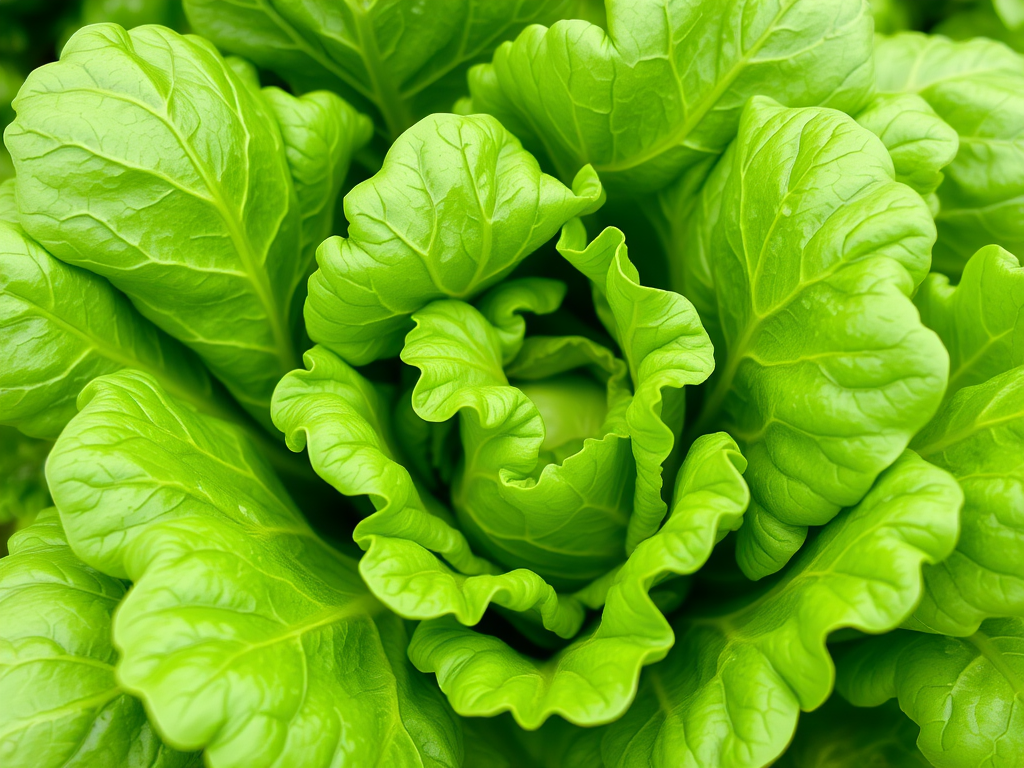
Lettuce is super easy to grow and has low maintenance requirements. It can be planted early before the last frost date to reduce the risk of bolting. Lettuce is not a fan of heat! One of my favorite varieties to plant is Buttercrunch Lettuce. Ditch iceberg lettuce and grow something with a little more nutritional value in it. Something better with so much nutritional value in it is Red Romaine Lettuce.
Lettuce is amazing to make a plate look appetizing but also amazing for salads. I personally could live off of them. Different varieties of lettuce have different nutrition, colors, and grow time. The options are amazing and lettuce grows fast!
Conclusion
The options of what to grow for a summer garden are endless truly. Make sure to grow what you will eat. If you hate something, don’t waste the garden space. Make gardening fun and enjoy it! Keep in mind when growing a summer garden, know what growing zone you are located in. This is especially important when gardening as it determines average first/last frost date, what would do well growing, and climate. If you move, make sure you see if your growing zone has changed. Happy gardening!
God Bless!
 Wagon Wheel Homestead
Leave a comment