
Verse of the day: Philippians 4:13
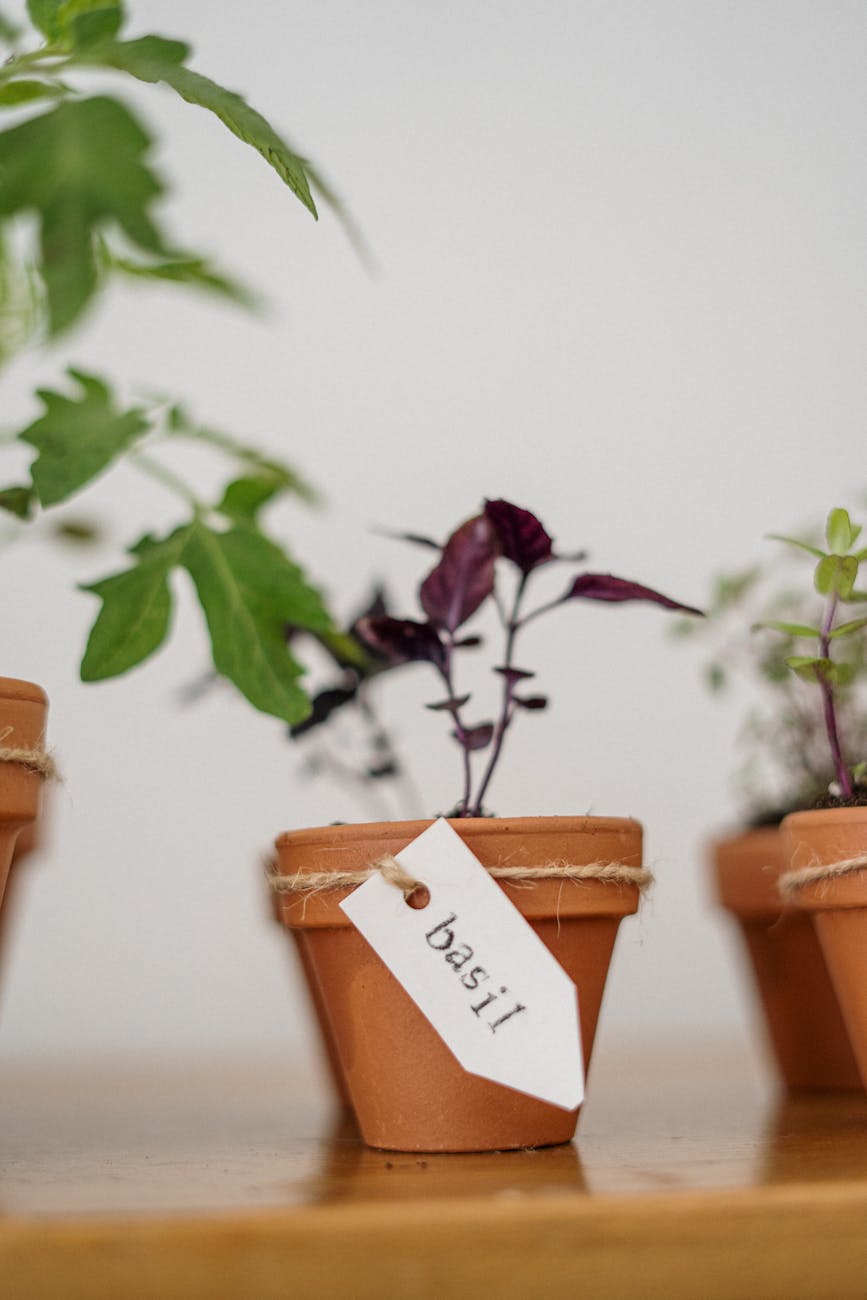
Herbs are sometimes the easiest thing to grow for a novice gardener. Buckle up and let’s start exploring some common herbs to grow. Most can be grown in a small, contained area, whether that be pots on your patio, tabletop grow pots, raised garden bed, etc. Always grow herbs you personally will use. Herbs have a variety of uses: Fresh or dried spices, medicinal, tinctures, wounds, any many more options. The real question is what you want herbs for. The most common option is spices for cooking. These herbs are just a fraction of the unlimited options to grow. These herbs listed are also some very low maintenance plants. Common herbs to grow are:
Basil
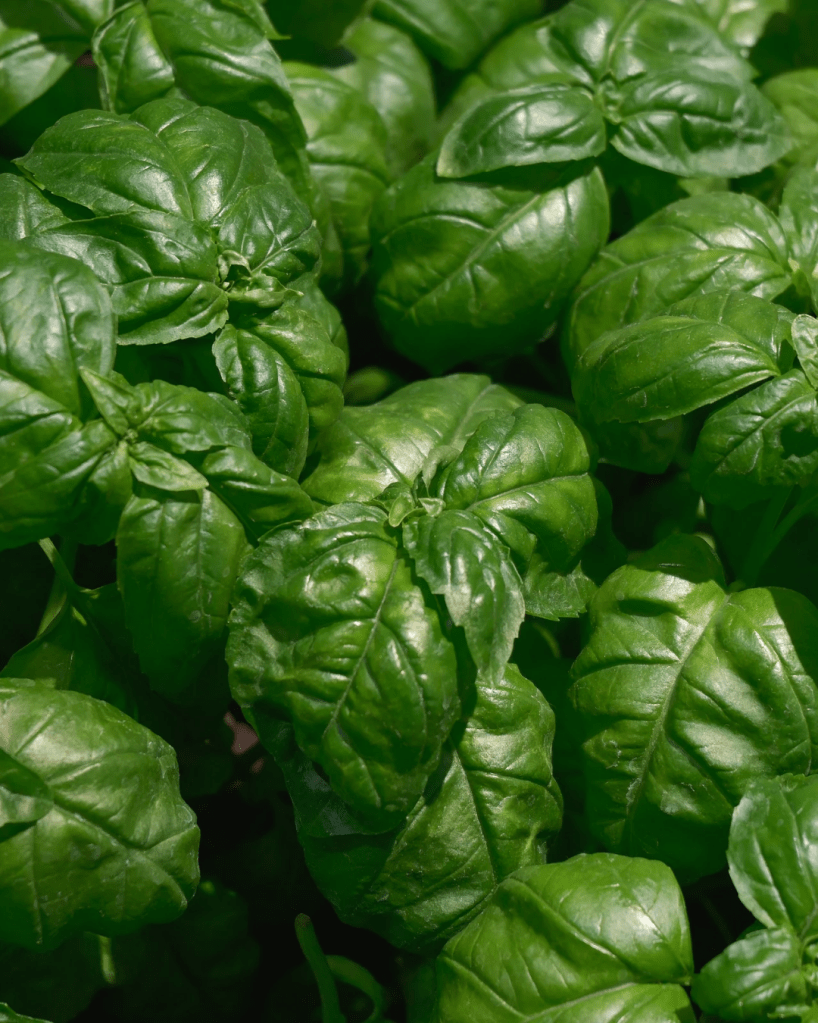
Basil is one of the most common herbs in the kitchen. There are so many different varieties to choose from. Some varieties in my garden are: Genovese, Lettuce Leaf Basil, Purple Opal, and Purple Ball. Genovese basil is the most popular to make pesto out of. The flavor profile may differ slightly or greatly depending on what variety you choose to grow.
You can use basil in multiple ways in the kitchen. Basil can be made into pesto, garnish for a caprese salad (amazing), infused into oils or vinegar, and can be added to cocktails and lemonade. Basil can also be made into a tea.
Basil contains antioxidants and anti-inflammatory properties*. This herb is also an excellent source of vitamin K.
When preserving basil, there are multiple options available. Preserve the basil depending on what works best for you. The first option is to keep the stems (with leaves) in water on the counter and still use them fresh even after being picked. Next option is to dry them. To do this, hang them upside down until dry (about 2 weeks) or pick the leaves off the stems and dehydrate them in a dehydrator. Lastly, you could preserve the leaves by pureeing them in oil and freeze them into small cubes.
Oregano
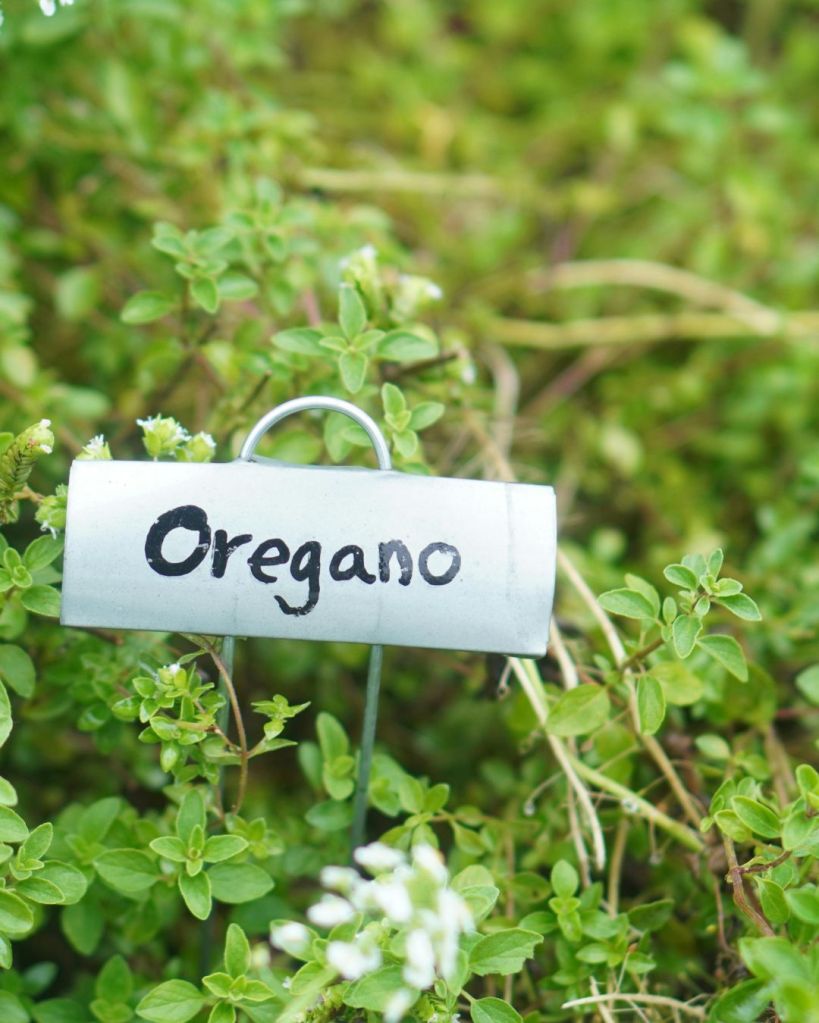
Oregano is a very versatile herb! Oregano is a staple with Italian and Mediterranean dishes. It pairs well with basil as well; it’s like two peas in a pod. Some varieties of this are: Greek oregano, Mexican oregano, Italian oregano, and Syrian oregano.
Kitchen uses for oregano are in sauces, salad dressing, roasted vegetables, and marinades for meats. I personally use oregano in almost everything, whether it’s a lot or a little depending on the recipe.
Oregano is very well known for its antimicrobial properties, high antioxidants, and packed with vitamin E, K, and A.
Medical uses could help with coughs, congestion, digestive aid, immune support, and can be applied topically on the skin.*
Preserving this fabulous herb can be done many ways. These vary depending on the usage and length of storage you’re looking for. The first option is air drying by handing bundles upside down, dehydrating using a dehydrator, freezing in oil cubes (just like basil), and lastly, wrap the oregano in a damp paper towel and place in plastic bag in the fridge.
Thyme
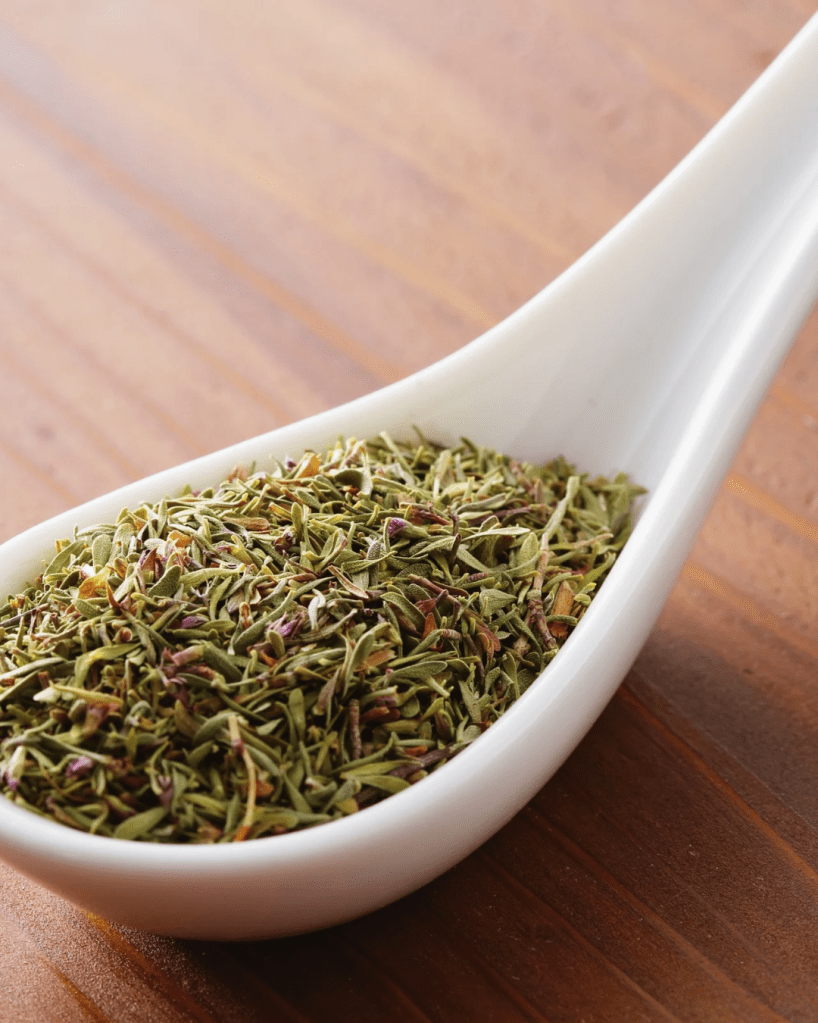
Thyme is a Mediterranean herb in the mint family and can have several used for several things. Popular culinary varieties include English, Orange Balsam, German Winter, and French. There are culinary varieties, variegated varieties, scented & colored, and creeping varieties. The most amazing thing about this is ALL of them are edible.
In the kitchen, thyme is good for roasted meats, seafood, sauces, root vegetables, eggs, soups, and stuffing. Cooking with thyme can give a slight savory, earthy flavor to food. Culinary varieties of thyme are preferred due to their more traditional flavors as other varieties can have a more subtle flavor.
Thyme contains antioxidants, antimicrobial & antifungal properties, and antineoplastic actions. Thyme is packed with vitamin K, C, and A and minerals such as manganese, calcium, and iron. With all of these things, thyme can help with respiratory infections, acne, and digestive issues.*
Preserving thyme is almost identical to basil and oregano. First option is to wrap fresh thyme in a damp paper towel, place in plastic bag and put into the fridge. Second option is to place leaves in ice cube tray with water or oil and freeze. Third is drying, whether that is hanged upside down or place in dehydrator.
Sage
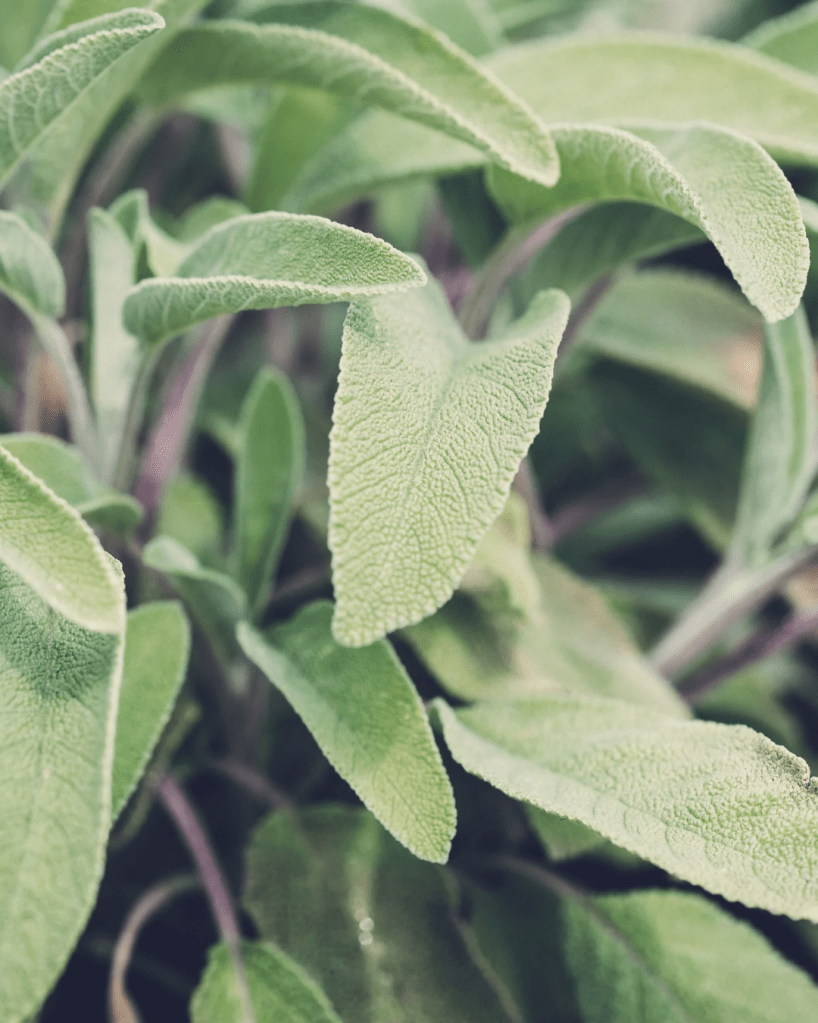
Sage is also a common Mediterranean herb and also in the mint family. It can be used in the kitchen, medicinally, and in an ornamental setting. Sage has a pungent, earthy flavor. Some popular edible varieties include Garden, Purple, Tricolor, Greek, Pineapple, and Broadleaf. Not all varieties are edible, so make sure to double check variety before using.
Sage is a very aromatic herb and can be used for meats, pasta, stuffings, and tea. The earthy herb can be very strong in flavor, so a little goes a very long way.
This herb contains high levels of vitamin K, copper, zinc, and magnesium. It is also antimicrobial and contains other antioxidants. Sage could help medically with oral health, menopause, and lowering LDL.*
Preserving sage is simple and can be done in many ways. Common ways include drying upside down or using a dehydrator, infusing with honey, oil, or butter, and blending with oil to freeze in cubes.
Parsley
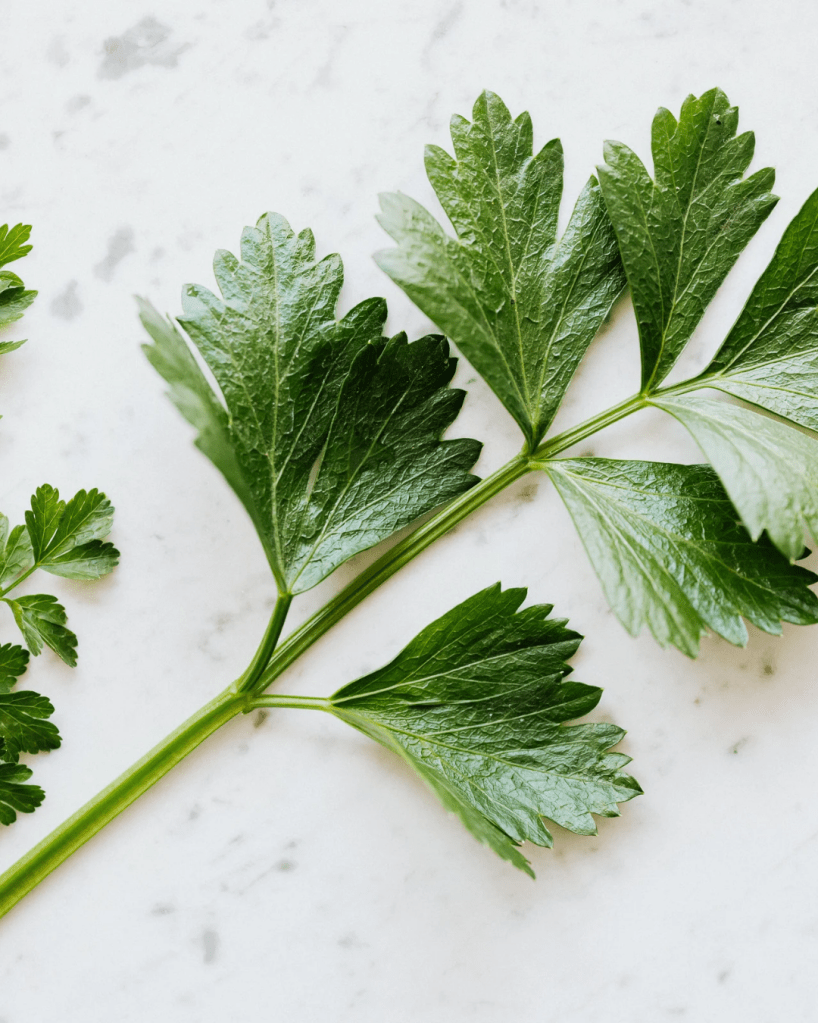
Parsley is a very popular herb that is also biennial. There are two main varieties: Curly-leaf and Flat-leaf. Curly-leaf parsley is commonly used for garnish while flat-leaf parsley has a much stronger flavor and better served with cooking. Both are edible!
Flat-leaf parsley has a stronger flavor that can be slightly peppery. Parsley can be used for fish, meats, soups, salads, smoothies, sauces, tea, and marinades. Either type can be used for garnish as well, doesn’t have to just be the curly parsley and is very common to use in European, American, and Middle Eastern food.
Parsley contains vitamin A, C, and K. It also contains other antioxidants and antibacterial & anti-inflammatory properties. Medically it can help with cardiovascular, skeletal, and renal (kidney) health. Parsley can be used as a natural diuretic as well. *
Preserving parsley includes drying upside down or using a dehydrator, mixed with oil or water and frozen into cubes, and trimming the stems to place them in a jar with 1″ of water and covering the leaves with a plastic bag.
Conclusion
These are just a few options of easy beginner friendly herbs that truly anyone could grow. When deciding on herbs to grow, make sure it’s something you want to use. No use of taking up space with something you’ll never end up using or don’t like. Possibilities are endless and you can find new ways to spice up your food or inspire you to make a new dish for you and your family.
God bless!
*The information on this website is for information purposes only and does NOT constitute medical advice, diagnosis or treatment. ALWAYS seek advice from your physician or other medical professionals with any questions or concerns regarding a medical condition.


Leave a Reply