
Verse of the Day: Romans 6:23
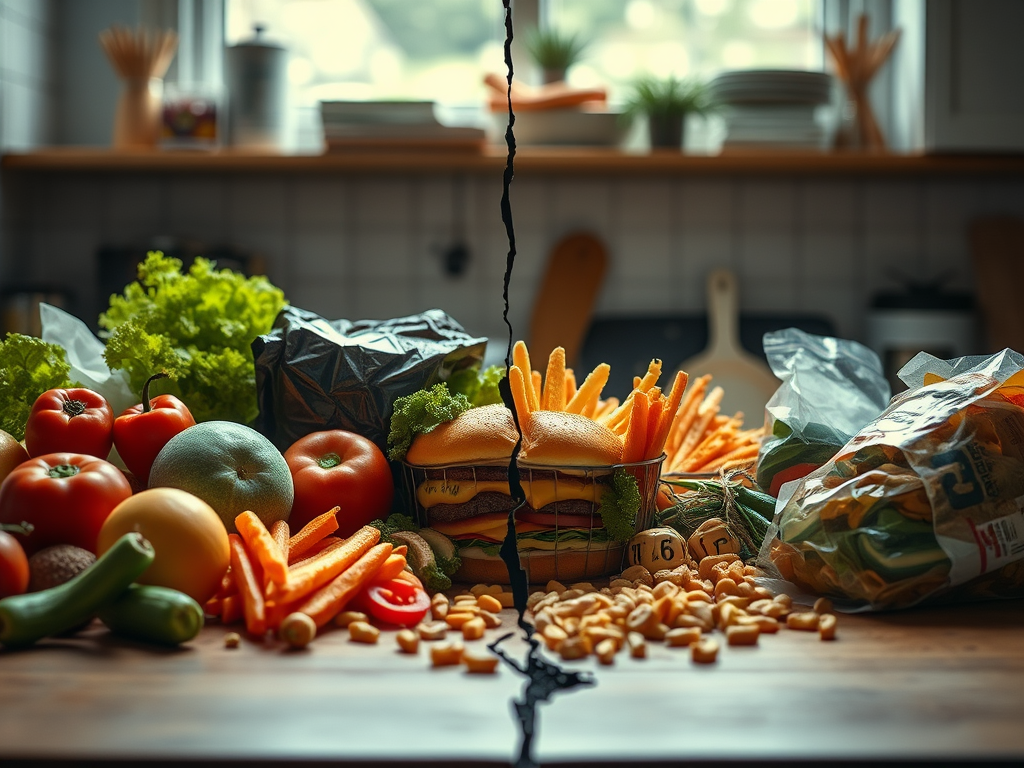
I think we all have seen a massive change in the food system of America. Most people are sicker, bigger, and malnourished than ever before. I have a few posts on the importance of gardening, now let’s dive deeper into this topic. I will discuss some of the synthetic chemicals added to our food. I will also share alternatives you can make at home!
As we know, the food system is so broken in this country. Much of the food available in the U.S. has been stripped, sweetened, and become artificial. Our bodies were not meant to process this type of “food” and even some of it our bodies don’t recognize. Pirate diseases like scurvy are coming back into the picture, especially those who are on GLP-1 medications. It’s crazy to me. Instead of promoting healthier food and fixing the food system, the focus is on synthetic chemicals. This approach overlooks how improving our food can help with better overall health and weight loss. The reliance on medications as a “quick fix” is concerning.
We live in a very fast-paced world. Convenience foods have become the norm. Home cooking is deemed “too much” work. It is common in America to see people truly not value where their food comes from. From my personal perspective, it is pure laziness. Granted we all live busy lives, but baby steps can make a massive difference in our diets. We just need to put the time in.
Roughly 55%-70% of the caloric intake from an average American diet is from ultra-processed foods. When you sit back and look at the whole picture, that’s absolutely insane! Constantly consuming these foods increases risks of cancer and diabetes. It also leads to obesity, high blood pressure, and mental health disorders. Additionally, it causes cortisol level spikes and heart attacks, etc.
Food is fuel for the body; it becomes what you feed it.
In the late 19th century, flour became highly processed. By separating the parts of the wheat, flour became more shelf stable and affordable. The germ and bran are removed during the milling process. This separation makes the all-purpose flour less nutrient dense compared to whole wheat flour. Wheat was supposed to be eaten together, not separated for the best nutritional value. All-purpose flour is low in fiber. This can contribute to rapid blood sugar spikes. It can also lead to weight gain, inflammation, and digestive issues. It’s crazy that all-purpose flour is so prevalent in our diet. We consume it in many things we eat on a daily basis.
One major problem in the American food system is synthetic ingredients that aren’t even close to being natural. These are deemed to be cheaper to make compared to a natural source. The FDA lists a lot of these ingredients as “safe.” In reality, they should NEVER be introduced to our body to begin with. Here are just a few examples:
Artificial food dyes have been in the American diet for a very long time. Food dye is used to enhance the visual appearance of foods we eat. Many of these artificial dyes have been linked to organ damage, behavioral problems in children, and cancer. In April 2025, the FDA finally announced they would be phasing out all petroleum based artificial dyes from the American food supply by the end of 2026. These dyes include Red No. 40, Yellow No. 5, Blue No. 1, Blue No. 2, Green No. 3. The FDA also announced they will push to eliminate the use of Orange B and Orange Red 2. This is a massive step in the right direction, and I hope the FDA follows through with a complete ban on synthetic dyes!
Artificial sweeteners are very common to see in our food supply. It is pushed heavily within the body building and weight loss industry due to most of them having none or very little calories. While they may help reduce calorie intake, they do carry many health risks and truly are horrible for you. Here are just 2 examples.
Sucralose (Splenda): This sweetener is 600 times sweeter than natural sugar. The body does not metabolize it. Sucralose can cause health issues such as cancers, metabolic effects, disrupt gut microbiome, and potential toxicity.
Aspartame: This sweetener is 200 times sweeter than natural sugar. Aspartame is linked to cancers, hormonal and metabolic problems, mental health issues, and nerve/neurological conditions.
Artificial preservatives are used to help inhibit the growth of bacteria, yeast, and prevent oxidation. Artificial preservatives are widely used in the food system. I am only going to list a few.
Sodium Nitrite & Sodium Nitrate: This is generally considered the worst artificial preservative in food. These preservatives are used in meats to prevent bacterial growth and maintain color. The health risks associated with these is alarming, including cancer, neurological illnesses, respiratory problems, and heart disease. Now keep in mind, these nitrites and nitrates are different than those found naturally in vegetables.
Azodicarbonamide (ADA): ADA is used as a bleaching agent in flour and is also used as a dough conditioner in breads. This chemical is also known as the yoga mat chemical. Subway happened to also use this chemical in their breads up until 2014 due to public pressure to remove it. It is a foaming agent primarily used in the plastics industry to make yoga mats, protective padding, and foam insulation. The FDA approved ADA to be used up to 45 parts per million in food. Health risks of ADA include cancer, respiratory problems, and allergic risks. Granted, these health risks are more associated with those working with the raw form of the chemical …but still, it’s allowed to be in our food.
BHA & BHT: These are synthetic antioxidants that in foods, cosmetics, and other items. BHA & BHT stop fats and oils from going rancid and extend shelf life. In foods, these synthetic antioxidants are used in cereals, meats, breads, and other processed foods. These preservatives may cause health issues such as cancer, endocrine disruption, skin and lung irritation, reproductive problems, and DNA damage.
Only a few things are listed here. These are allowed in the American food industry. The rabbit hole is much larger; this is just the tip of the iceberg. This blog doesn’t even touch the pesticides used on our foods or our water supply (more to come later)!
Now, keep in mind when reading this. There has been a massive push for change within our food system! Americans are starting to really look into what is in their food. They want a better system and aim to live a healthier life. Many other countries place bans on their food supply. They also enforce very tight restrictions. Americans want the same thing. Most of these companies are also doing business with other countries with their products. So in reality, these food companies are already making the healthier version of their products. They do this to sell within different countries around the world.
The main question is why these companies refuse to choose the same approach for their products in the United States. Now that is slowly changing with the MAHA movement, changing laws, and consumers demanding cleaner products. Americans are more aware of what is in their food and want change. We have a long way to go. Still, this is the biggest movement in the food industry I have ever seen!
We want transparency, and that is something we do not see much of in reality. Our food is the gateway to our health.
What You Can Do
You may be reading this and wondering how you can make changes in your own food for your family. It is very stressful to see what the government has allowed in our food system for such a long time. So, let’s go over what you can do to change things in your own life. Take note that some of these options may take more time to make; however, your health matters!
Natural Food Dye
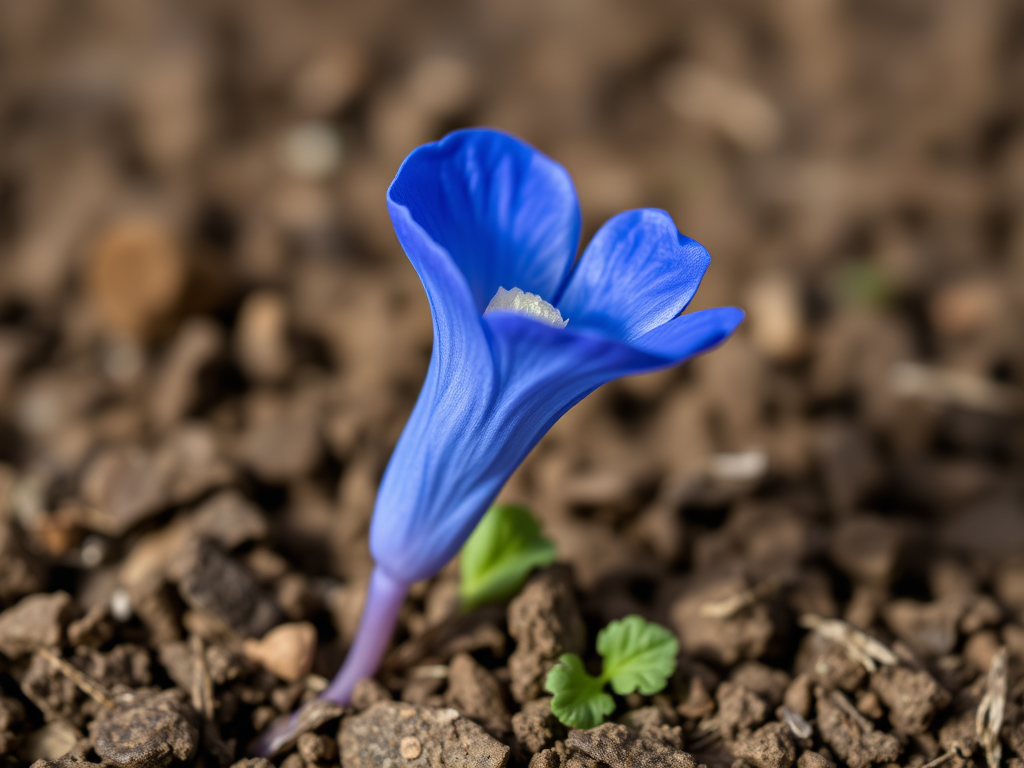
We all love a little color throw in. It is visually pleasing to see, but you do not need artificial dyes to do it. Some of these may interact with medications so consult a healthcare professional to ensure there will be no interaction.
Red & Pink: Hibiscus, beets/beet juice, strawberries, red dragon fruit, and pomegranate juice.
Black & Brown: Black tea, cocoa powder, coffee, and activated charcoal.
Yellow: Turmeric and saffron.
Blue & Purple: Butterfly pea flowers, red cabbage (adjust PH with baking soda, vinegar or lemon juice), blackberries, and blueberries.
Green: Spinach, matcha, spirulina, kale, parsley, and cilantro.
Orange & Red Orange: Paprika, carrots, turmeric, and annatto.
Natural Sweeteners
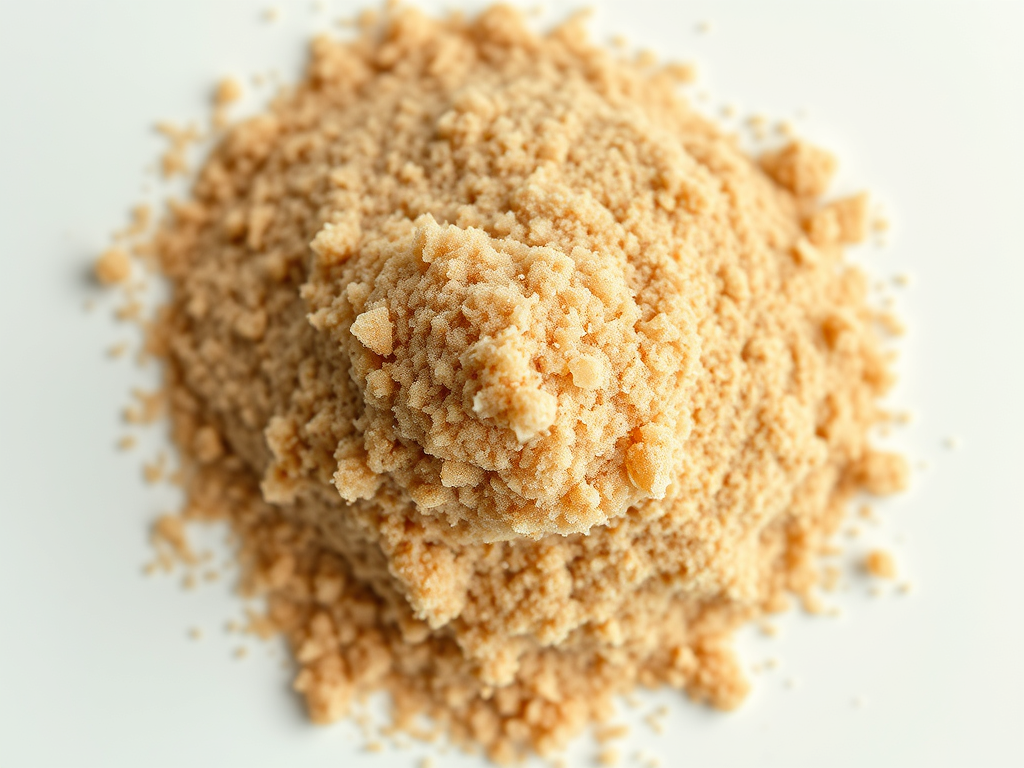
Sweeteners should be used in moderation especially those with diabetes. With the dangers of synthetic sweeteners, natural is always better! Different sweeteners can also change the flavor of food, remember this when adding sweetness to your dishes.
Unbleached Sugar: Most sugar is refined and white. Natural sugar is not typically white. Go for natural cane sugar instead.
Maple Syrup: Maple syrup can range in color, and this effects the taste from mild to deep. When buying, make sure the maple syrup is 100% natural. Ensure it does not contain any high fructose corn syrup or additives.
Monk Fruit Extract: Monk Fruit is a natural sweetener derived from dried fruit. This is zero calories and zero carbs. This is also a safe alternative for those with diabetes as it does not raise glucose levels within the blood. It is also 150-250 times sweeter than sugar.
Stevia: This plant has zero calories, zero carbs, and is 50-300 times sweeter than sugar. Make sure when buying this it is 100% stevia and is NOT mixed with any artificial sweeteners.
Raw Honey: Raw honey is better than regular honey. Raw honey is extracted from the honeycomb and simply strained through mesh. Regular honey is extracted with heat. It sometimes contains additional sweeteners. Raw honey also has some impressive health benefits.
Natural Preserving
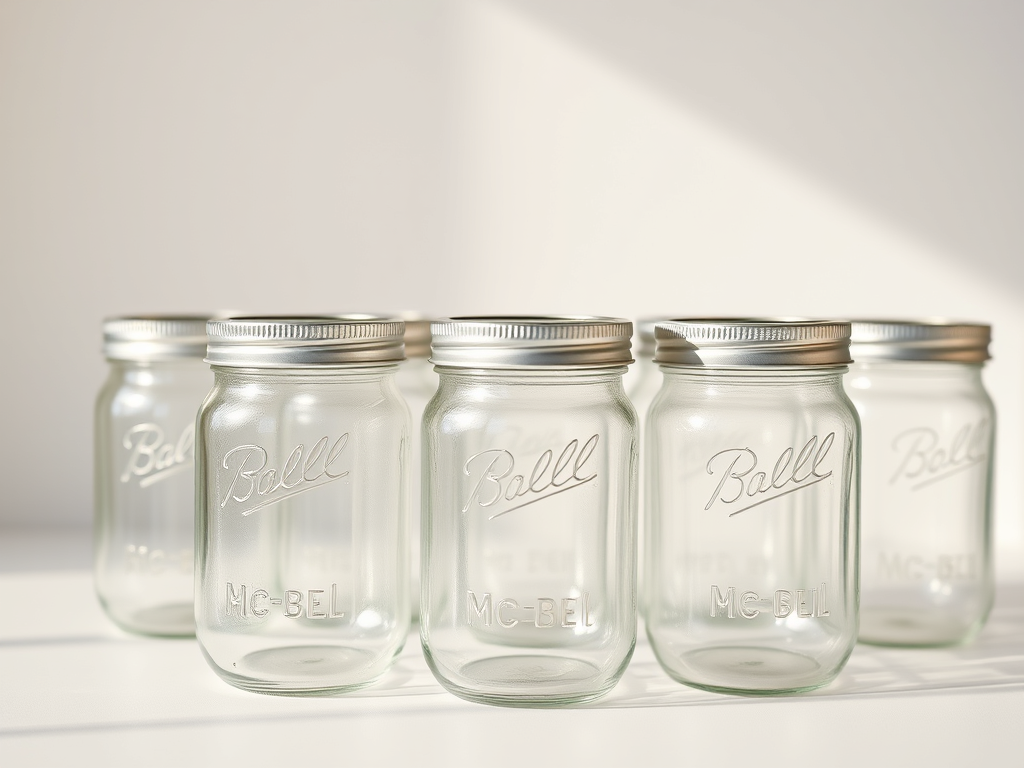
Preserving food at home can be daunting especially depending on the method you choose to use. It doesn’t have to be scary! Preserving your food at home without synthetic preservatives can make it last longer. It also promotes a healthier lifestyle with fewer synthetic chemicals in your body.
Water Bath Canning: Water bath canning can be done for highly acidic and very high sugar content foods. Canned goods can be good for 1-1.5 years. This is a great option for those who like to make jams, jellies, pickled items, and more. Making these things from scratch is very easy and just requires a little bit of work.
Pressure Canning: Pressure canning is best for low acid and low sugar foods like meats, soups, vegetables, stews, and more. Pressure canning can have a bit of a learning curve compared to water bath canning. It is best with ALL types of canning to follow the proper guidelines to ensure optimal flavor and safety.
Freezing: Freezing is another great option for many food items. Depending on the food being frozen, it can last from a few months to a year and a half. Make sure to check how long something can be frozen and still safe to eat. Also big thing to keep in mind is that freezing food is NOT a shelf stable option.
Dehydrating & Freeze Drying: This option is great for many different things including herbs, vegetables, beans, fruits, etc. Freeze dryers are expensive; however, using this will retain more nutrients in the food. This option removes most of the moisture within the food. This extends the shelf life of the food and stops the growth of bacteria or fungus.
Fermenting: This is a process allowing natural microorganisms, in an anaerobic environment, to preserve perishable foods. Creating the proper conditions for the fermentation process helps good microbes to grow. It prevents harmful microorganisms from growing. Fermenting food also can make it easier to digest.
Pickling: The pickling process involves adding an acidic mixture to foods and allowing them to sit. The texture and flavor of the food may remain largely unchanged depending on what you are wanting to be pickled.
There are other options as well to preserving food; however, these are the main options people get started on.
Conclusion
The best way to ensure you and your family consume the best food is to start a garden. Nothing is added unless you add it yourself. Our food system may be slightly improving within the last 2 years. There is still a long way to go! The truth of the matter is that there is so much garbage in our food supply. Eating the average American diet, without making any changes yourself, can make you sick over time. Put your health first and watch you and your family get healthier!
God Bless!


Leave a Reply